TLGF is a project under our governance thematic area that brings together local government actors at the community, district, regional and national levels to discuss decentralisation policy and practice with the ultimate goal of improving livelihoods in poor communities in Ghana. The forum ensures the inclusion of non-traditional stakeholders such as traditional political authorities and spiritual leaders, local structures of political parties, civil society organisations (CSO), social groupings (eg churches, farmers groups, youth groups), disadvantaged groups (eg women, physically challenged) and so forth..
TEERE LOCAL GOVERNMENT FORUM
What is TLGF?
Is TLGF different from Commonwealth Local Government Forum (CLGF)?
What do we achieve?
How do we achieve our goal?
What is the need?
What do we do?
How are we doing this?
What results do we expect?
How do we assess our progress?
How do we sustain the achievements of the TLGF project?
How do we ensure transparency and accountability in our operations?
Who are the beneficiaries of the Project?
Who provides the resources for the project?
What is different about TLGF?
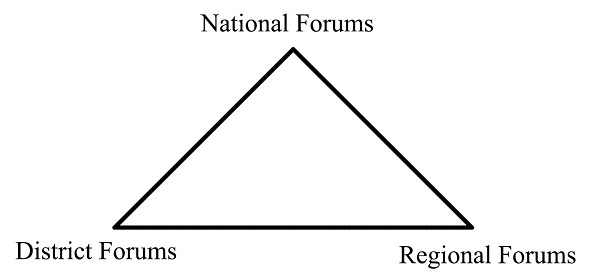
In other words what is discussed at the district level may be fed to both the regional and the national. Similarly the experiences and best practices learnt from regional meetings can benefit the district as each participant returns to the district. At the same time, policy can gain enormously at the national level from the regional discussions. In the same vain, the lessons from discussions on policy can trickle down to the regions and the districts simultaneously. Most importantly, there is a horizontal diffusion of the forums experience at each of the three levels. For instance, individuals and communities can benefit from the district forums directly.
Yes. TLGF was conceived without reference to CLGF. Nonetheless we both aim to promote and strengthen local government. We are however different in some respects. TLGF brings into local governance groups that have hitherto been excluded from local governance at the community level as mentioned above. CLGF on the other hand deals with those already in local governance at a much higher level. In addition, TLGF targets all the 216 local authorities in Ghana and looks to scaling it up to benefit other countries in the future. We are happy to collaborate with CLGF in the future.
We induce the transformation of local government policy in Ghana through an integrated approach and to facilitate its implementation..
We generate public debate on local government policy to accelerate the decentralization reforms according to the principle of subsidiarity in order to extend the sovereignty of local governments.
Both the local government policy and its implementation process have serious challenges that need immediate redress. For instance, the Assemblies are still heavily dependent on central government (eg resource support, appointments to the district assembly by president). There is also a serious lack of commitment on the part of the public servant whiles most citizens hardly appreciate their role in the local government system. Traditional structures and institutions have not fully been made a part of the local government and decision making system. Acknowledging their role will however help to find a distinct Ghanaian way to local governance. There is therefore the need to involve all the stakeholders in local governance in order to enhance the autonomy of the Metropolitan, Municipal and District Assemblies (MMDAs), strengthen the commitment and accountability of the local authorities, strengthen community participation in the decision making process and promote citizens pride as well as pave the way for community engagement.
Provide a politically neutral engagement platform in the form of the TLGF for major stakeholders in local governance at the local and national levels to generate discussions that will lead to policy improvement and acceleration of the decentralization process.
- TEERE organizes forums at district, regional and national levels with full participation of all stakeholders at the three levels with greater emphasis at the district level.
- As part of our entry strategy and in order to promote the concept at local level to enhance participation at the district level TEERE shall facilitate and initiate consultations with and among stakeholders at the community levels such as local spiritual leaders and their elders, chiefs and elders, local level political groupings, women groups, churches, mosques and performing groups. The consultation process is part of our sustainability plan to ensure that communities own the program ie. indigenous the concept and make it part of their culture or daily life. Communities are encouraged and guided to organize and regularize community meetings.
- Four forums will be organised at the district level, two at the regional level and three at the national level. The regional level forums are mostly to encourage sharing of experiences and best practices.
- There are also micro meetings of women in local government, Assembly leadership etc to accelerate the consultative process.
- TEERE together with the Forums leadership regularly follows up on outcomes of the forums.
- TLGF is a project under our governance thematic area that brings together local government actors at the community, district, regional and national levels to discuss decentralisation policy and practice with the ultimate goal of improving livelihoods in poor communities in Ghana. The forum ensures the inclusion of non-traditional stakeholders such as traditional political authorities and spiritual leaders, local structures of political parties, civil society organisations (CSO), social groupings (eg churches, farmers groups, youth groups), disadvantaged groups (eg women, physically challenged) and so forth..
- Three levels of TLGF operationalized in Accra, at the regions and in the respective districts; first as pilot in the Upper West and East regions with all regions participating by the third year.
- Adequate funding secured by the end of 2015 to run the forum initially for three years.
- Extensive consultations held at the community level leading to the commitment of all stakeholders in local governance to the ideals of the TLGF.
- Traditional structures and institutions are more involved in local government development and community mobilization.
- Vulnerable and disadvantaged groups such as women and the physically challenged fully participate in forums.
- Stakeholders in local governance at the community and district levels understand roles and fully participate in the decision making process at the local level.
- MMDAs increasingly recognize the need for greater independence and autonomy for their institutions and work consciously to achieve these statuses.
- Players in the local government policy formation process make positive move to improving the local government policy.
- Baseline and impact studies are conducted at the beginning and end of the program respectively.
- TEERE staff and independent monitors observe and report findings on the forums and related activities.
- There are mid-year and annual reviews of the programs.
- The community sensitization component section of the project is intended to secure the commitment and trust of communities with the ultimate objective of making it a part of the culture of the people to ensure sustainability.
- TEERE collaborates with relevant institutions in Local governance in the country such as the Local Government Service Secretariat (LGSS), National Association of Local Authorities in Ghana (NALAG), Ministry of Local Government and Rural Development (MLGRD), the Media and Civil Societies (CSOs) in Governance to facilitate the institutionalization of TLGF achievements.
- The forums is organized by independent committees appointed by stakeholders and facilitated by independent professional facilitators.
- We have an independent TEERE board to oversee the activities of the project.
- The forums is reviewed periodically by stakeholders themselves and the necessary changes made to improve the project.
- Accounts of the project are audited by an external auditor and posted on our website.
- All other reports are posted on our website.
- At the district level, the beneficiaries include traditional political and religious authorities, women in local government and other women groups, district assembly staff, Assembly members, CSO, physically challenged groups
- At the regional forums all regional level institutions such as government departments, CSOs, regional Houses of Chiefs, Regional Co-ordinating Councils (RCC), Private sector institutions at that level, stakeholder representatives from the respective districts etc, physically challenged and women groups at that level, traditional regional groups, churches, mosques etc
- Robert-Bosch Foundation has sent us a letter of intent to co-sponsor the project at least in the first three years.
- All participating MMDAs have all committed to providing non-financial support such as conference space, desk officers, man hours at this stage.
- It brings into local governance stakeholders who were hitherto excluded from local governance e.g. traditional religious and political authorities, local structures of political parties, sub-structures of the assembly, civil society organizations, women groups, youth groups, physically challenged, some social groupings etc.
- It provides a distinct Ghanaian approach to local government decision making process through an elaborate inclusion of traditional systems, structures and institutions at the local level..
- The ultimate goal of the projects is to institutionalize it as part of the culture of each district so that it is sustainable beyond the project period.
- It systematically and progressively targets all 216 districts without terminating at the pilot stage as most interventions by most CSOs and even government seek to do over the years.
- Organization and participation are by the stakeholders themselves.
- The project is not just a bottom-up approach, it links actors across levels of governance. It is organized in a triangular manner with each of the three points on the triangle feeding the other. There is a bi-directional diffusion of forums’ experience from each level to two different levels at the same time.
In other words what is discussed at the district level may be fed to both the regional and the national. Similarly the experiences and best practices learnt from regional meetings can benefit the district as each participant returns to the district. At the same time, policy can gain enormously at the national level from the regional discussions. In the same vain, the lessons from discussions on policy can trickle down to the regions and the districts simultaneously. Most importantly, there is a horizontal diffusion of the forums experience at each of the three levels. For instance, individuals and communities can benefit from the district forums directly.
Donate Now
TEERE needs your support in other to achieve its goal "An Autonomous local government system based on the rule of law, Ghanaian culture and tradition."

- Ministries Block, Box 373.
Bolgatanga, Upper East Region (UER),
Ghana. West Africa - +233 382-021-907
- +233 200-915-187
- info@teere.org.gh

About TEERE
TEERE started initially as a non-registered community mobilization organization. It provided remedial education, counseled youth on educational opportunities and facilitated the admission of many others. Starting 2011, it has been working with low-income...
Read more
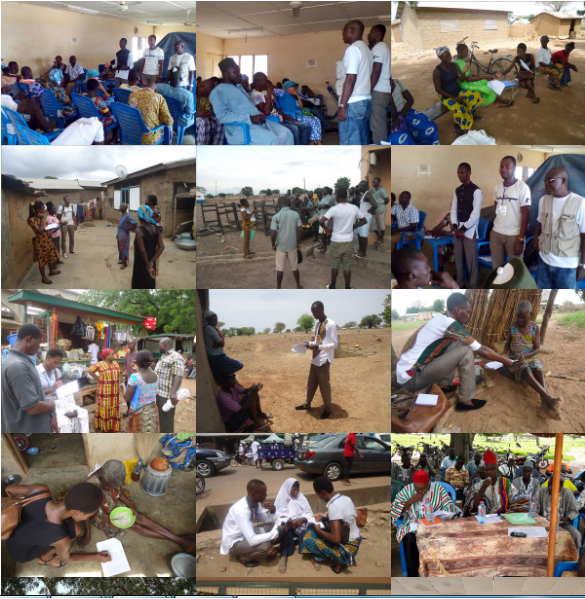
Photo Gallery
Copyright © 2016 - 2019 teeregh.com. All rights reserved.
Website powered by: TEERE IT - Department.
Website powered by: TEERE IT - Department.